
Indonesian Coal Grades Explained and Their Applications
06 August, 2026

02 July, 2026
The industrial mineral sector is entering a new phase in 2026. Demand is rising across ceramics, construction, and electronics, while supply chains are still adapting after years of disruption. For manufacturers and exporters, understanding global industrial mineral trends in 2026 is key to staying competitive.
This year brings a mix of steady growth, price shifts, and stronger focus on sustainability. Ceramic producers, in particular, are reshaping sourcing strategies to ensure quality, consistency, and cost control.
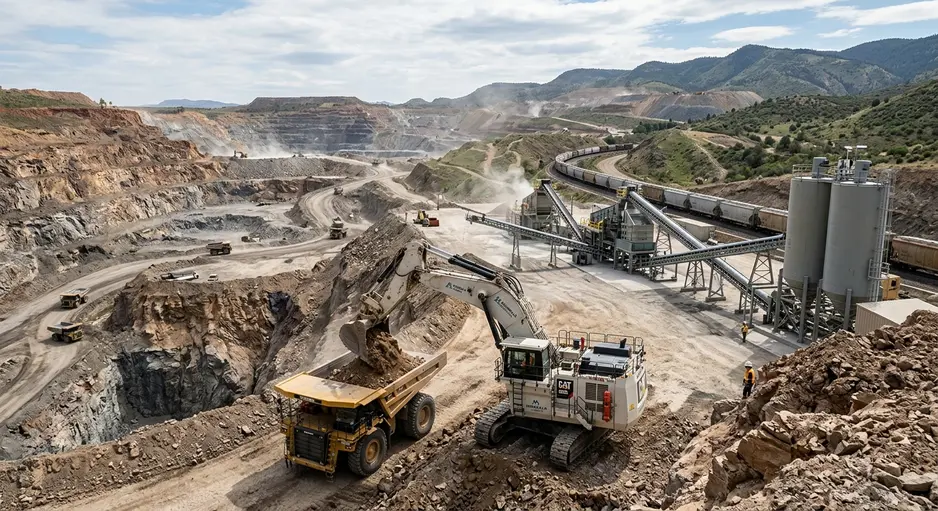
The global market continues to expand at a moderate pace, supported by infrastructure growth and rising ceramic tile demand. Industry estimates suggest steady growth driven by urbanization and premium construction materials.
After disruptions between 2020 and 2024, supply chains have improved. However, risks remain due to geopolitical tensions and export regulations. Manufacturers now prefer diversified sourcing rather than relying on a single region.
These minerals remain the backbone of ceramic production, especially for porcelain and vitrified tiles.
Several regions dominate supply and trade in 2026:
The tile industry mineral demand 2026 is shifting toward high-performance materials. Manufacturers are focusing on durability, aesthetics, and sustainability.
Large-format tiles and premium finishes are pushing demand for refined raw materials with consistent composition.
The mineral composition of porcelain tiles is critical for strength and appearance. Key materials include:
Kaolin vs ball clay for ceramics remains a common consideration. Kaolin offers purity and whiteness, while ball clay improves workability and strength.
Low-iron feldspar for tiles is gaining importance for producing lighter and brighter surfaces.
Large tiles require high strength and low defect rates. This has increased demand for:
Consistency is now more important than ever, especially for export-grade tiles.
Ceramic glaze raw materials are evolving to meet design trends. Zircon and rutile play a major role in achieving opacity and color stability.
The industrial mineral prices forecast 2026 shows moderate volatility. Prices are influenced by energy costs, mining regulations, and transportation challenges.
Overall, buyers are focusing on long-term contracts to reduce exposure to price swings.
Supply risks remain a concern in 2026:
These factors contribute to the price volatility of industrial minerals and require careful planning.
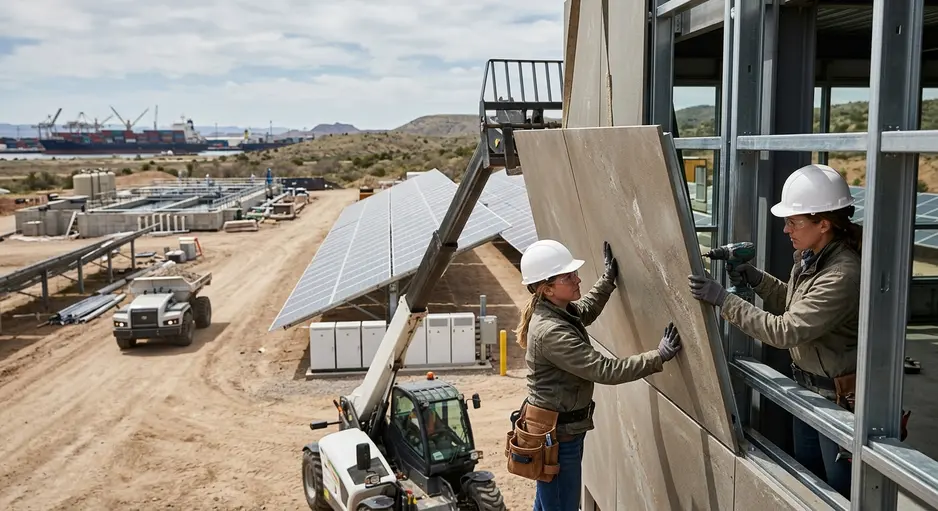
Sustainability is no longer optional. Sustainable minerals for tile production are now a priority for manufacturers and buyers.
The green supply chain tiles minerals approach focuses on reducing environmental impact while maintaining quality.
Recycling is becoming common in tile manufacturing:
This aligns with circular economy goals and lowers production costs.
Mineral beneficiation for ceramic industry improves raw material quality and reduces waste.
Industrial mineral import regulations EU are becoming stricter, focusing on environmental and safety standards. Compliance is essential for exporters.
Growth regions in 2026 include:
India is gaining traction as a reliable supplier, supported by strong export capabilities.
Manufacturers are increasingly using long-term agreements:
Spot buying is still used but carries higher risk.
Choosing the right supplier is critical in 2026. Quality, logistics, and consistency must align with production needs.
Manufacturers are using smart strategies:
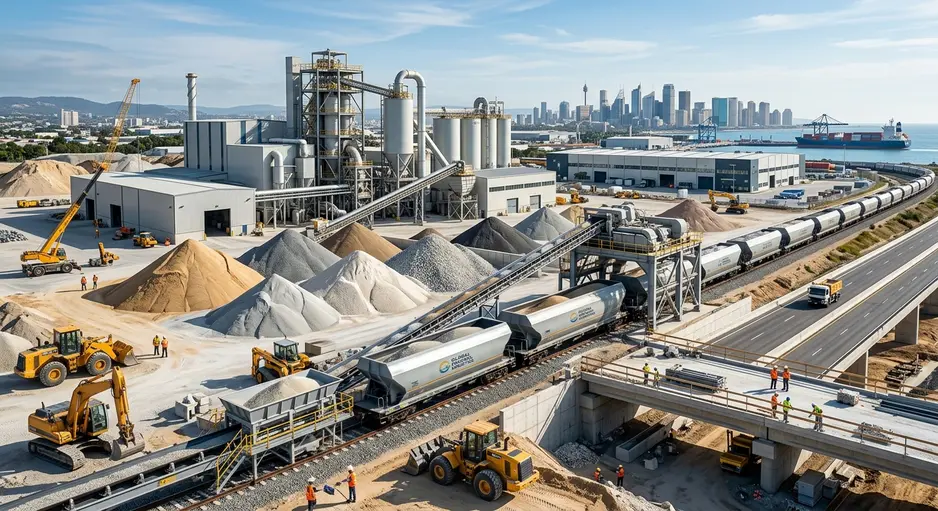
Looking ahead to 2030, the industry will continue evolving with digital tools and data-driven sourcing.
Global Industrial Mineral Trends
The global industrial mineral trends 2026 highlight a market shaped by innovation, sustainability, and strategic sourcing. As demand from the ceramic sector grows, manufacturers must focus on quality materials, reliable suppliers, and long-term planning.
Businesses that adapt to changing supply chains, embrace green practices, and invest in advanced processing will stay ahead in this evolving landscape.
Clay, feldspar, silica sand, and kaolin are the primary raw materials.
Kaolin, feldspar, silica sand, and talc remain essential due to their roles in strength, finish, and durability.
The market is expected to remain stable with gradual growth, driven by ceramic and industrial applications.
Feldspar acts as a flux, lowering melting temperatures and improving tile strength and finish.
Energy costs, logistics, regulations, and supply-demand balance are the main factors.
They push manufacturers toward eco-friendly materials, recycling, and efficient processing methods.

Whatsapp Chatx
Hi! Click one of our representatives below to chat on WhatsApp or send us email to jrt@jayganeshminerals.com

|
Mr. RAJESH +91 99130 87000 |
|
|
Mr. JIGNESH +91 89800 70055 |